After a chemical peel the skin needs proper care. Your specialist gives the exact recommendations, and they depend on the type of peel and on your skin. Still, some rules hold for everyone: no pools, saunas or tanning beds, protect the skin from the sun, and use the right care products.
What a peel does to the skin
A chemical peel is a cosmetic procedure meant to improve the quality and look of the skin. It works by a controlled breakdown of the upper layers of the epidermis, using various chemical compounds, most often acids. The peel prompts the skin to renew its cells and improves its texture.
Peels are divided into three main types by depth. Superficial peels work gently and deal with small imperfections. Medium peels reach deeper and are used on moderate concerns, such as fine lines and post-acne marks. Deep peels renew the skin radically and need a long recovery. A superficial peel affects only the stratum corneum, the very top layer of the skin. A medium peel can affect all layers of the epidermis, down to the dermis.
A Jessner peel is a combination of acids in a set ratio, and it counts as both a superficial and a medium peel. This is one of its features: the effect depends on how many layers are applied. The chemical peels at the Cranford studio include Jessner and MandeliClear peels, each one 30 minutes, and every peel starts with a free 15-minute consult on skin type, sensitivity and recent treatments.
Peeling days, one by one
Right after the peel the skin can look red and puffy. It will also flake. Depending on how deep the solution went, full recovery can take from 3 to 14 days. In essence, the body has to build the top layer of skin again. You can make this job easier, and the right care is prescribed by the specialist.
Superficial and medium peels differ in recovery time and in effect. Superficial peels have no recovery period, or only slight surface flaking for two or three days. With medium peels the recovery runs longer, from five to ten days. At the studio the rule is simple: after a light peel there is no visible flaking, and after a medium peel flaking on days 3-5 is normal.
If unusual or unwanted reactions appear after the procedure, contact the specialist who did it. These can be allergic reactions, which mostly show up as swelling and redness. Breakouts can also flare up if the skin is prone to them.
Washing and moisturizing
Any peel injures the skin and disrupts its protective barrier. Poor care after the procedure can lead to dehydrated skin, sensitivity and even fine lines. How well the care is chosen decides how the procedure works and whether there are complications.
Wash with cool water. Hot water can cause discomfort, and cool water helps calm the sensations after a peel. Use soap-free cleansers that do not tighten or dry the skin. A micellar water for sensitive skin, with soothing panthenol, is one option.
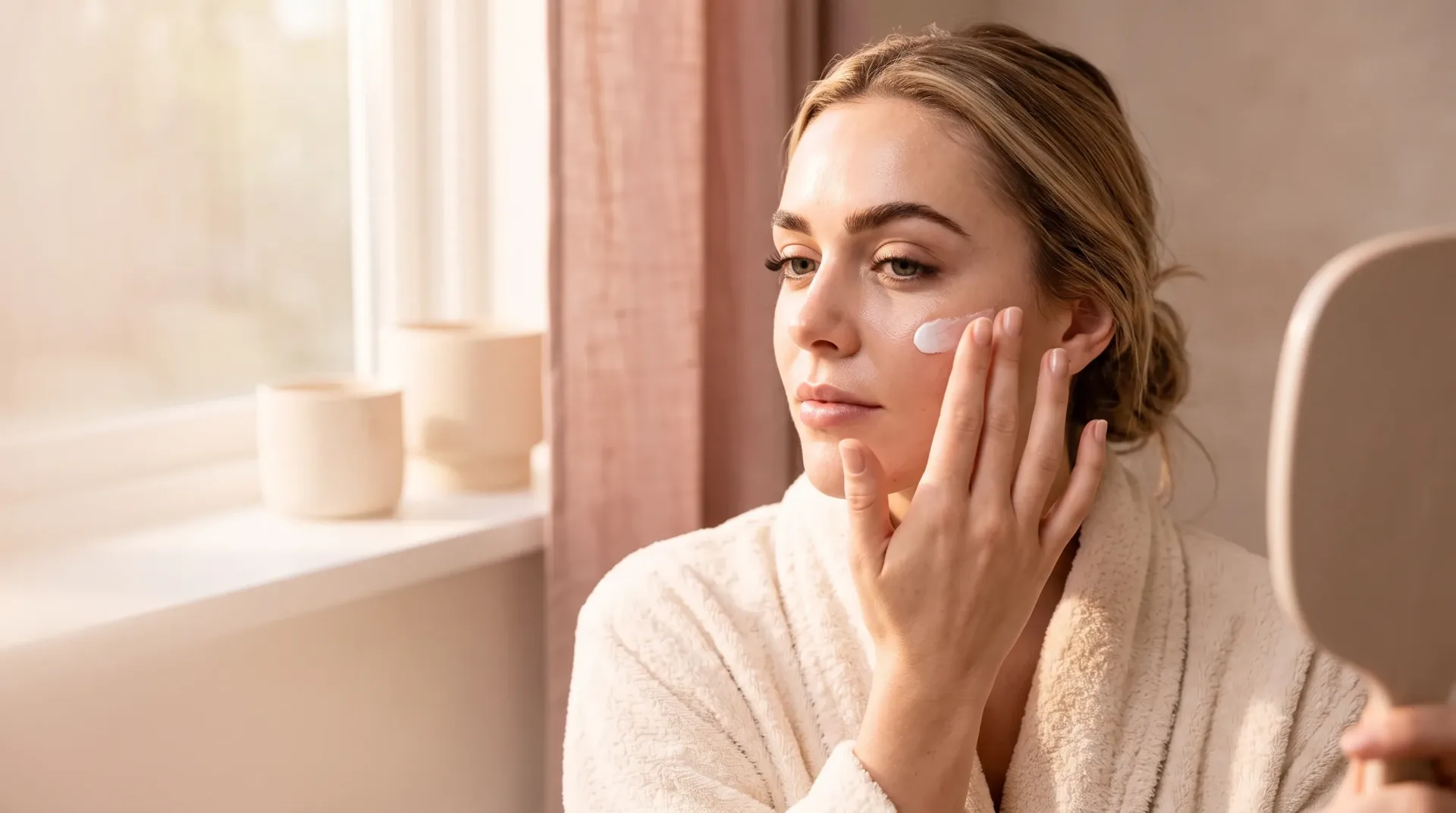
Moisturizing is a required step after a superficial peel. It helps strengthen the skin's barrier, which may have been disrupted. For quicker recovery you can use products with panthenol, which help the skin heal. A restorative gel or balm goes only on skin that has fully closed over and does not weep, after cleansing and drying.
Moisturizers are often used along with the peel, but use them carefully and only once flaking appears. Too much moisture can slow down the natural shedding of the dead skin cells. With heavy flaking after a medium peel, the skin needs steady moisture.
Sun protection, no exceptions
Right after the procedure, apply sunscreen regularly. When you go out, even on a cloudy day, use a broad-spectrum (UVA/UVB) sunscreen with SPF 50+ and renew it every two hours. This matters most after an acid peel, when the skin is more vulnerable.
Completely avoid open sun and tanning beds for at least a month after the procedure. A fresh tan also matters before the peel: sunbathing is not recommended for 14 days beforehand. At the studio, SPF 50 daily is the rule with no exceptions, and for that reason peels can be done in summer too, as long as the SPF 50 is strict.
What to do after a chemical peel, and what not to
After the procedure the skin needs regular moisturizing and mild hypoallergenic products. Besides the care itself, there are limits that help the recovery go well.
Do
- Wash with cool water and a soap-free cleanser.
- Moisturize once flaking appears.
- Apply SPF 50 every day and renew it outdoors.
- Follow the personal aftercare card from your specialist.
Do not
- Pick or peel off flakes and crusts.
- Go to saunas, steam rooms or pools during the first week.
- Use scrubs, alcohol toners or acid serums for at least a week.
- Sunbathe or use a tanning bed for a month.
Do not remove the crusts yourself, because it raises the chance of skin defects. Avoid intense workouts, saunas and steam rooms. Aftercare means no steaming the skin: more blood flow to the face can cause tingling, itching, redness or other unpleasant effects.
Limit alcohol in the first two weeks, to reduce the load on the body. Skip decorative makeup: after a light superficial peel a break of one or two days is enough, after a deeper one, from one to two weeks. Clients come in from Clark, which is about seven minutes from the Cranford studio up Raritan Rd, so the first days at home with clean skin are easy to plan around the visit.
Jessner and mandelic peel aftercare
Before a peel, consult a specialist first. They decide how to prepare the face and how deep the peel should work. They may also suggest certain care products for a few days before the procedure. At the studio, retinol is stopped 5 days before the peel, and any medications should be mentioned at the consult.
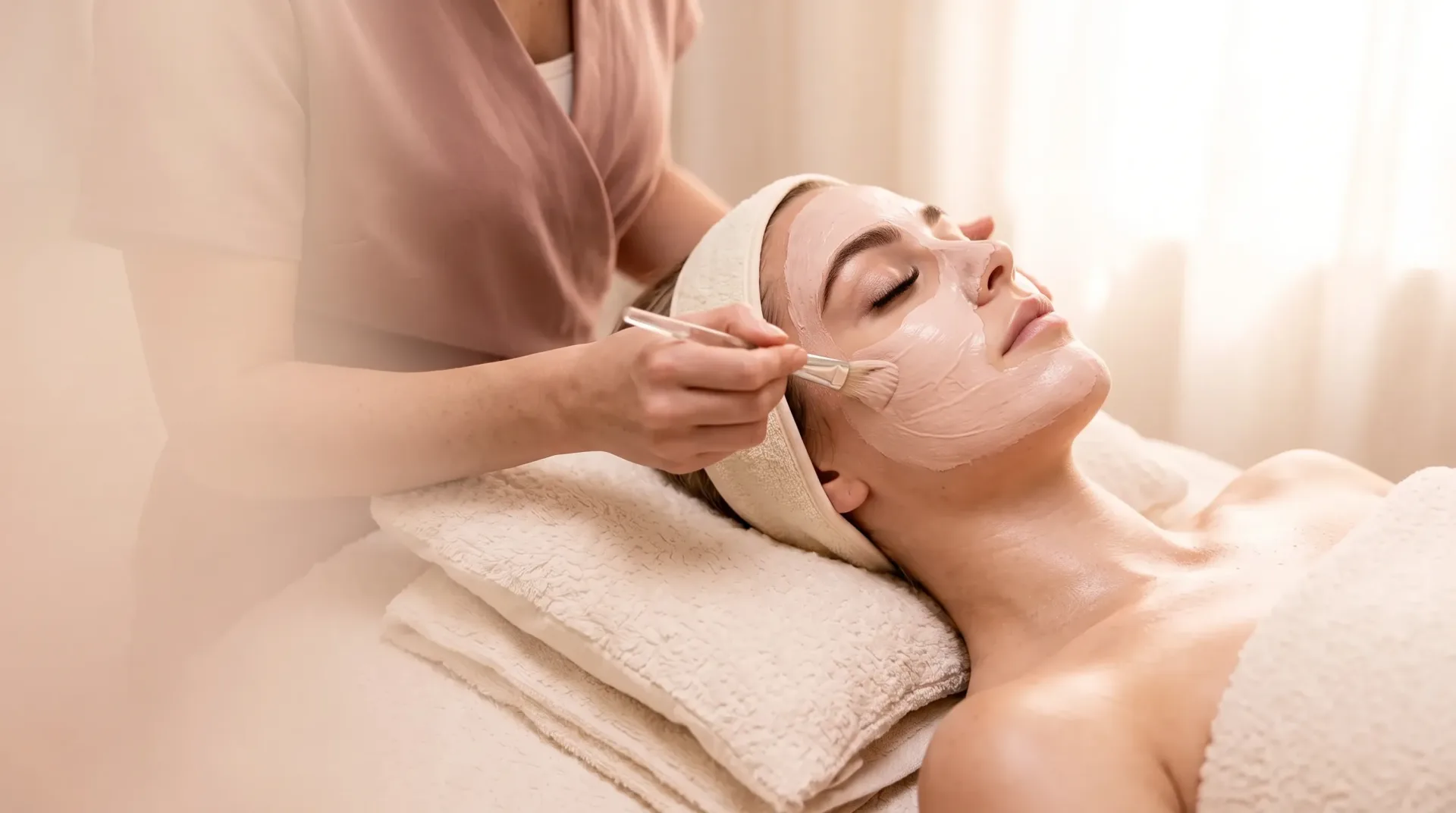
On the day of the procedure the skin is examined, cleansed and degreased. The solution goes on with special applicators, and the specialist chooses the number of layers and how long it stays on. The process may not look pleasant: the top layers of skin literally loosen and come off. Afterwards a soothing compress or lotion is applied.
A Jessner peel can lead to noticeable peeling days, since with more layers it works as a medium peel. MandeliClear is a deeper peel aimed at pigmentation, melasma and sun damage. With the vitamin A accelerator, visible peeling and cell turnover speed up, so the rules on flaking and SPF apply in full. The Jessner peel is aimed at uneven tone, texture, pigmentation and acne.
| Peel | Depth | What to expect |
|---|---|---|
| Light peel | Stratum corneum only | No visible flaking; makeup break of one or two days |
| Medium peel | All layers of the epidermis | Flaking on days 3-5; makeup break of one to two weeks |
| Deep peel | Down into the dermis | Long recovery, done only under strict medical supervision |
Home kits for self-peeling have a low concentration of active acids, so do not expect a visible result from them. As for professional options, medium and deep peels, doing them yourself is not acceptable. Products with a high concentration of acids need a professional approach and control. It is hard to apply a peel evenly by yourself, and it is easy to put on more layers than needed.
At the studio the best results come from a series of 3 peels, spaced 3 weeks apart. Every client leaves with a personalised aftercare card for the days that follow.
Once the flaking phase is over, you can move on to any other cosmetic procedures, on your specialist's individual advice. That includes facials, and a lactic acid or alpha-beta add-on, 5 minutes each, can be discussed at the consult.