Chemical peels can make facial skin brighter, firmer and more even. But to get the best result and protect yourself from possible complications after the peel, you need to know how to prepare for a chemical peel properly. Preparation affects the result, and it also affects how recovery goes afterward. The more aggressive the solution used for the peel, the more the preparation stage matters.
Start with the consult
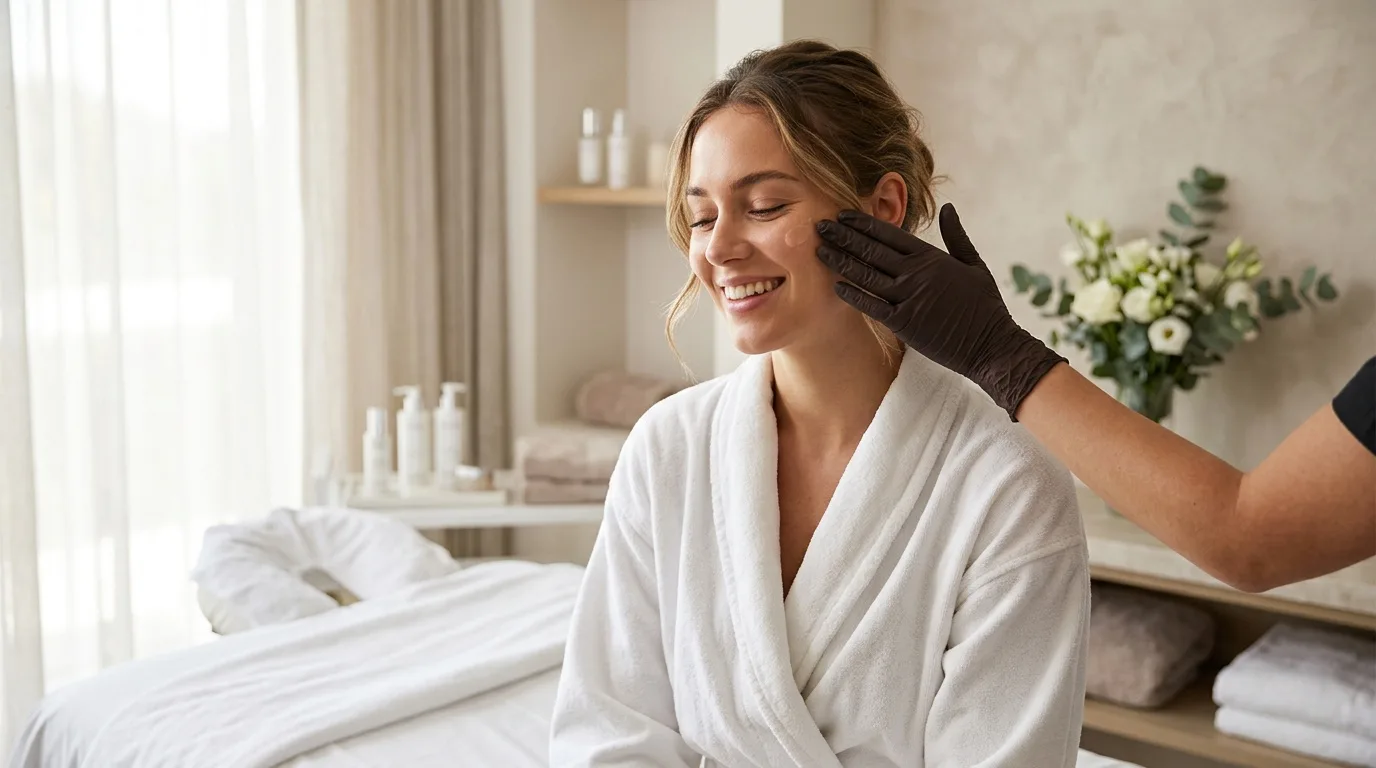
A consultation with an esthetician beforehand shows the type and features of your skin, and that decides which peel will suit you. At the studio, the first peel starts with a free 15-minute consult. The esthetician will ask the questions needed to work out which type of peel is right for you.
The esthetician should also find out whether anything rules a peel out for you right now; if you are pregnant, breastfeeding or have a skin or other health condition, ask your doctor as well. It is important not to forget to tell the esthetician and your doctor about every medicine you take, including hormonal drugs and antibiotics. This information plays a big role in choosing a peel and in whether it can be done at all.
After that, the type and depth of the peel are chosen, and you should be told how to prepare the skin, how the peel itself goes, what reactions are possible and what to expect after full recovery. A superficial peel needs the least preparation. Medium and deep peels mean longer and more detailed preparation. If you are not sure where to start, you can send the studio a question before you book.
Two weeks out: the sun
Two weeks before a peel, stay away from tanning beds and avoid direct sunlight on the skin. This lowers the risk of pigmentation. The studio asks for no tanning for 14 days before a peel, and for SPF 50 every day.
Apply sunscreen every time you go outside. If there is inflammation, breakouts or other skin problems, try to clear them up beforehand if possible.
Tell the esthetician about any recent facial treatments, such as microdermabrasion or cosmetic injections for wrinkles or skin quality; the consult decides how long to wait after them.
Some peels can't be done in sunny seasons at all. With a deeper peel, when a lot of cells are damaged, the risk of hyperpigmentation after UV exposure goes up. That is why a chemical peel in summer is a question for the consult, and the best time of year for a chemical peel depends on the type of peel. At the studio a summer peel is possible with strict SPF 50. More on this from the American Academy of Dermatology on peel preparation.
The last five days
Stop retinol 5 days before the peel. Even though products with vitamin A (retinol) help the chemical solution work deeper, they need to be stopped before the peel. If you keep using them right up to the day, the top layer of skin can be broken down more than planned.
In the last five days, you should not use any facial scrubs with large hard particles in them: apricot pits, coffee, almonds, nutshells, sea salt and so on. Gentler exfoliating creams and other acid-based cosmetics are also off. Extra chemical exposure can lead to unwanted irritation in the skin during the peel.
Do
- Tell the esthetician and your doctor about every medicine you take.
- Use SPF 50 every day.
- Clear up breakouts and inflammation if possible.
- Take extra care of the skin and protect it from scrapes and injury.
Don't
- Tan or use tanning beds for 14 days.
- Use retinol in the last 5 days.
- Use scrubs, exfoliating creams or acid products in the last 5 days.
- Wax or use depilatory creams on facial hair in the last 5 days.
In the last five days before the peel, take closer care of the skin and protect it from possible injuries, scrapes and inflammation. Do not use any kind of hair removal or depilatory creams on the face. That includes face waxing, so plan your brow and face waxing appointments around the peel, not in the days right before it. The same goes for laser hair removal and other aggressive treatments.
So what not to do before a chemical peel comes down to this: scrubs, aggressive peels and other products that damage the skin.
If you are prone to viral infections such as cold sores, tell the esthetician and your doctor. Your doctor decides whether you need medication before the peel.
Tretinoin and isotretinoin
Can you get a chemical peel while using tretinoin? Retinoids, photosensitizing drugs and immunosuppressants are often listed among the relative contraindications for a chemical peel. "Relative" means it can be removed: the situation changes, and the peel becomes possible.
Isotretinoin taken by mouth is a separate case. Peels are often not recommended for people taking oral retinoids, because the chance of scarring goes up.
A dermatologist may also prescribe lightening products with vitamin A, vitamin C or hydroquinone to prevent dark spots after the peel. These are prescribed by a doctor, not chosen on your own. You should not prescribe yourself peels or strong products at home either: the interval and the composition should be chosen by a dermatologist or your esthetician.
The day and how long it takes
On the day of the peel, it is easiest to come without makeup. Do your usual morning skincare and be sure to put on sunscreen before you leave the house.
How long does a chemical peel take? Chemical peels are done quickly. At the studio, a peel takes 30 to 45 minutes, including prep and a calming mask. A peel has three stages:
- Pre-peel preparation. It is done to adapt the skin to the active ingredient and even out its surface layer so the peel solution gets in better. It is done in the days before the peel or right before the session.
- The peel itself. It follows the protocol for the solution the esthetician chose.
- Post-peel care. It helps keep the results and avoid complications. What it involves is covered in our chemical peel aftercare guide.
Your first peel
Chemical peels are divided into light, medium and deep. The choice of technique depends on your skin and the problems you want to solve with the peel.
| Depth | What it is used for | What to expect |
|---|---|---|
| Light | Breakouts, uneven tone, dry skin, fine lines | The gentlest peel; you keep your usual routine |
| Medium | Light wrinkles, scars, uneven tone and texture | About a week at home while the skin recovers |
| Deep | Deep wrinkles, scars, stubborn dark spots | A long recovery |
A superficial peel works within a few layers of the outer skin. It is recommended for young problem skin and also as a stage before a deeper peel. It lets you keep your usual way of life. The most popular acids for superficial peels are glycolic, mandelic, pyruvic and lactic.
The best chemical peel for beginners is usually a gentle one. Mandelic acid works gently. It is often chosen for thin and sensitive skin. It can be done in any season. Because mandelic acid has a large molecule, it gets into the skin slowly, so the peel is easier to tolerate and does not need a long recovery.
The studio offers two peels, Jessner and MandeliClear, at $100 per session. For best results they are done as a series of 3, three weeks apart. Which of the two suits you is decided at the consult. You can read more on the about the studio page, and if you are coming from nearby, see our Clark, NJ location page.
If you are still choosing between a peel and a facial, the facials we offer are a separate service, and this facial comparison guide covers how they differ.
Book the consult first. No tanning for 14 days and SPF 50 every day. Stop retinol 5 days before, and in the last five days skip scrubs, acids and face waxing. Tell the esthetician and your doctor about every medicine you take.
Getting ready is mostly a matter of planning. Knowing how to prep skin for a chemical peel lets the solution work evenly and can make recovery easier.